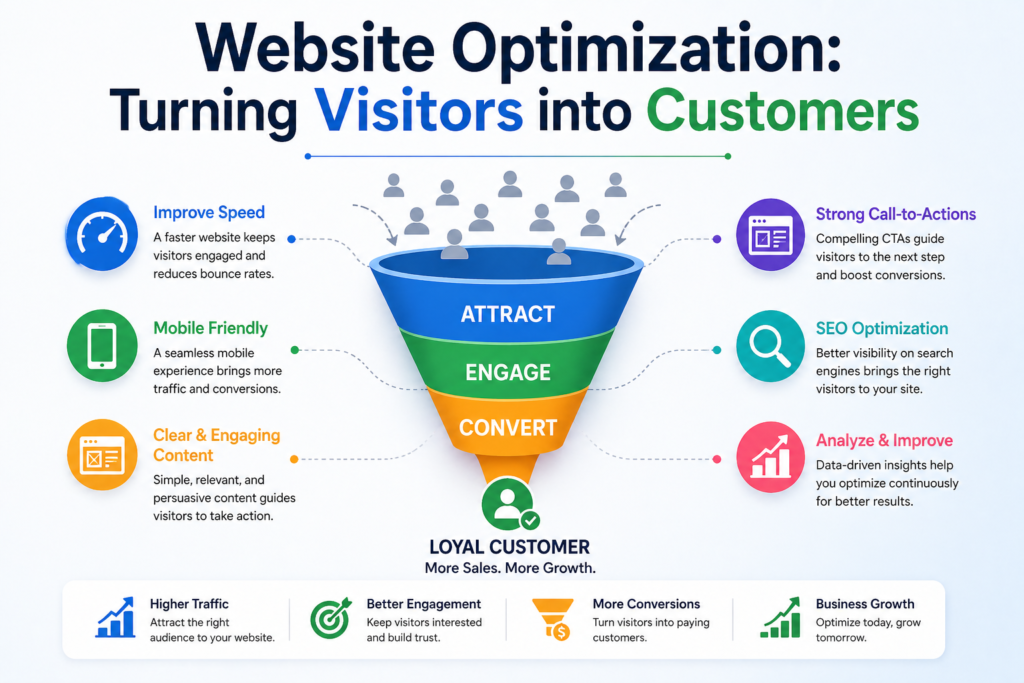
A website is one of the most important assets for any business in the digital world. However, simply having a website is not enough. To achieve success, businesses need to optimize their website to convert visitors into customers. Website optimization focuses on improving user experience, performance, and content to increase conversions.
The first step in website optimization is improving speed. A slow-loading website can drive users away quickly. Studies show that users expect websites to load within a few seconds. Learn website optimization and conversion strategies with a practical Digital Marketing Courses in Mumbai. Optimizing images, using fast hosting, and reducing unnecessary elements can improve speed and performance.
Mobile optimization is equally important. A large percentage of users access websites through their smartphones. A mobile-friendly design ensures that your website works smoothly on all devices. This not only improves user experience but also helps with search engine rankings.
Content plays a major role in website optimization. Clear and engaging content helps users understand your services and encourages them to take action. Strong headlines, simple language, and clear calls-to-action guide visitors through the website.
User experience is another key factor. A clean design, easy navigation, and well-structured layout make it easier for users to find what they are looking for. Reducing clutter and focusing on simplicity improves engagement and reduces bounce rates.
Trust elements are essential for conversions. Adding testimonials, reviews, and contact details builds credibility. When users trust your website, they are more likely to become customers. Displaying certifications or guarantees can further enhance trust. How to Rank at the Top of Google in 2026.
Call-to-action buttons should be clear and visible. Whether it’s “Contact Us,” “Get a Quote,” or “Book Now,” a strong call-to-action encourages users to take the next step. Placing these buttons strategically across the website improves conversions.
Regular testing and updates are important for optimization. A/B testing different designs, headlines, and layouts can help identify what works best. Continuous improvement ensures that the website remains effective and relevant.
In conclusion, website optimization is a continuous process that requires attention to detail and regular updates. By focusing on speed, mobile responsiveness, content, and user experience, businesses can turn visitors into customers and achieve better results online.